
Made for dropshipping
AI UGC ads for dropshipping.
Give each product a clear first test. Turn your product reference into creator videos, product shots and campaign concepts built around one reason to buy.
Your product. Your brand. Your cast creator.

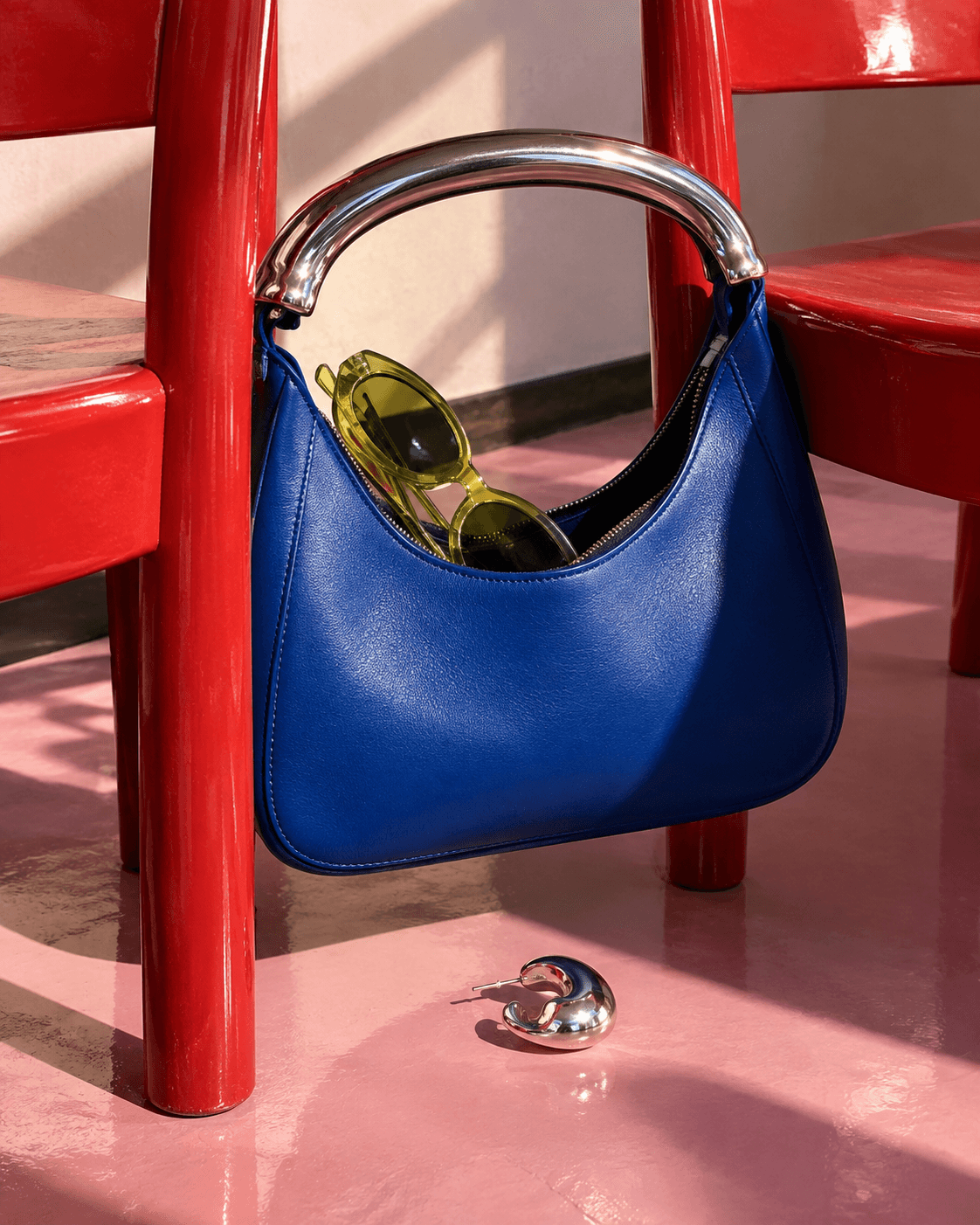
AI-generated creative samples
01 / Creative examples
Different products. Different reasons to watch.
A useful test starts with what the shopper needs to understand. These AI-generated creative samples show product introductions and everyday settings across categories. They are not results from dropshipping campaigns.
Show the detail
An accessory gives the viewer a specific feature to look at.
Introduce the product
Keep the item in the opening rather than hiding it behind a long setup.
Give it a setting
A familiar context can help explain who the product is for.
02 / A practical starting point
Test an angle before multiplying the variations.
AI UGC can help you prepare creative for a dropshipping product, but it cannot tell you whether the offer will sell. Start with accurate references and a small set of distinct ideas. Your campaign data decides what deserves another iteration.
- 01
Get a usable product reference.
Choose a clear photo you are authorised to use. Confirm the actual dimensions, materials and features with the supplier. If the selling point is a mechanism, fit or feel, get a sample and real footage before making it the centre of the ad.
- 02
Give each concept a different job.
Brief a different reason to buy for each concept: a useful detail, an everyday use or the look of the product. Keep the offer and destination page stable while you compare angles. Changing everything at once makes the result harder to interpret.
- 03
Review, launch and read the result.
Check the creative against the product you will ship. Set an ad budget you can afford to test, then examine purchases and the shopping journey as well as video engagement. A strong hook alone does not show that an offer is profitable.
Choose the angle before the format.
Starting directions for your brief, not performance predictions.
| Angle | First frame | What to verify |
|---|---|---|
| Useful detail | A closer look at the strap, pocket or feature that matters. | That feature is present on the actual item and shown accurately. |
| Everyday use | The item in a familiar setting with one clear use. | The scene does not invent capacity, durability or a function. |
| Style | The product as part of an outfit or a room. | The colour, size and materials agree with the product page. |
03 / The creative brief
One bag. Three directions to test.
Use this as a starting structure. Replace the example with your product, its verified details and the audience you want to reach.
Before you publish- Product
- A blue shoulder bag. Use photos of the exact bag and confirm its size and materials.
- Direction 01
- Product detail: open on the bag, then show a verified pocket or strap feature.
- Direction 02
- Everyday setting: show the bag as part of a normal outing, with the product clearly visible.
- Direction 03
- Style: introduce the same bag with an outfit that matches the audience you want to reach.
- Keep fixed
- Use the same product, offer, destination page and audience for the initial comparison.
- Close
- Show the bag clearly and invite the viewer to check its dimensions and available colours.
- Review
- Match straps, pockets, stitching and scale to the original. Use real footage to demonstrate capacity or construction.
The final check
The creative should match what arrives.
A convincing generated scene can still misrepresent a product. Catch the mismatch before a shopper does, and keep the offer clear all the way from the ad to checkout.
- Compare the item in every scene with the exact supplier reference.
- Confirm any claim about size, material or function using actual product information.
- Check that your product page explains the current price, variants and delivery terms.
- Use real footage when the pitch depends on movement, capacity, fit or a mechanism.
- Treat the campaign as a test: count usable creatives and purchases, not just generated files.
04 / A few useful answers
Before you start.
How can I use AI UGC ads for a dropshipping product?
Start with an accurate product reference, a specific audience and one reason to buy. Klaspr can build creator-style videos, statics and product shots from that direction. Review the output against the real item before using it in an ad test.
Do I need a Shopify integration to prepare the creative?
No direct store integration is required for the creative brief. Start with your product reference and brand information. Creating an ad does not automatically publish it to your store or launch a paid campaign.
Can Klaspr find a winning dropshipping product?
No. Klaspr produces creative, not a prediction of demand or profitability. Use your own campaign data, product margins, delivery costs and customer experience to decide whether the offer is worth continuing.
When should I order a sample instead of relying on AI?
Order a sample when the purchase depends on how the item fits, feels, moves or functions. A generated clip cannot verify those qualities. Real sample footage can provide the evidence while AI creative explores the setting and message.
Keep your next step clear
Made around your product